Thinking About Dental Implants but Unsure What Actually Happens?
When people hear the words dental implant procedure, they often imagine something complicated or overwhelming. In reality, the process is structured, carefully planned, and designed around individual needs. Understanding each phase can remove uncertainty and help you feel more confident about exploring implant dentistry as a tooth replacement option.
Dental implants are not placed casually. Every stage, from the initial implant consultation through to the final implant restoration, is guided by clinical assessment, digital imaging, and thoughtful planning. Let us walk through what typically happens.
What Happens at the First Consultation?
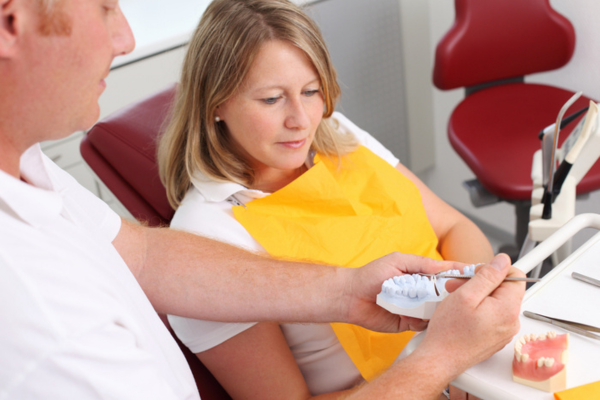
The journey begins with a comprehensive implant consultation. This stage focuses on gathering information and determining treatment suitability.
During this visit, you can expect:
- A full oral examination
- Review of medical and dental history
- Gum health evaluation
- Bone density assessment
- Digital imaging such as a CBCT scan
- Discussion of missing tooth replacement goals
A CBCT scan provides three dimensional imaging of the jawbone, nerves, and surrounding structures. This imaging supports guided implant surgery and detailed treatment planning.
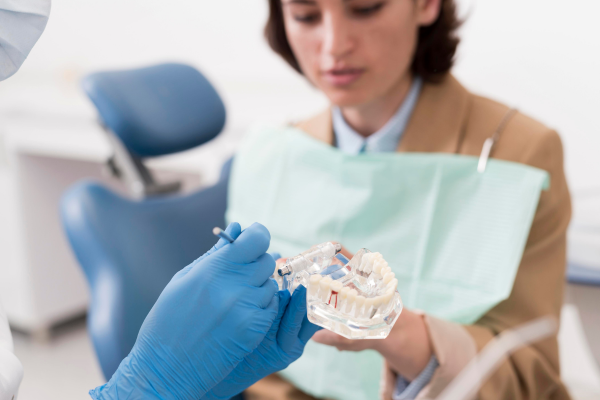
Alternatives such as an implant supported bridge, removable denture, or traditional dental bridge are also discussed. Balanced information about risks, healing expectations, and variability of outcomes is provided so decisions are informed and personalised.
How Is the Treatment Plan Developed?
Once assessment information is gathered, a structured treatment timeline is created. This plan considers:
- Number of missing teeth
- Location in the mouth
- Bone quality and volume
- General health factors
- Restoration type, such as a single tooth implant or full arch restoration
The aim is to create a plan that supports safe implant placement and long term oral rehabilitation.
What Happens During the Implant Placement Surgery?
Implant placement surgery is typically performed under local anaesthetic. The titanium implant post is carefully positioned into the jawbone. In some cases, guided implant surgery technology is used to enhance precision.
The procedure generally involves:
- Preparing the implant site
- Placing the implant post
- Positioning a healing cap or cover screw
- Providing post operative instructions
Mild swelling or discomfort may occur afterwards. Most people return to normal activities shortly after the surgical appointment, depending on individual healing responses.
What Is Osseointegration and Why Does It Matter?
After placement, the healing phase begins. During this period, osseointegration takes place. This is the biological process where bone integrates with the implant surface, creating stability similar to a natural tooth root.
The osseointegration period can take several weeks to a few months. Healing duration varies depending on:
- Bone quality
- Implant location
- Overall health
- Oral hygiene maintenance
Follow up reviews are scheduled to monitor progress and ensure the implant site is healing appropriately.
What Happens During the Restoration Phase?
Once integration is confirmed, the restoration phase begins. This stage transforms the implant post into a functional tooth replacement.
The steps typically include:
- Attaching an abutment to connect the implant to the crown
- Taking digital impressions or scans
- Designing a custom implant supported crown
- Securing the final restoration
- Checking bite alignment and comfort
The implant restoration is designed to blend with surrounding teeth while maintaining proper chewing function.
What Does a Typical Treatment Timeline Look Like?
While every case is individual, the general process can be summarised as follows:
| Stage | What Happens | Approximate Duration |
| Assessment | Examination and CBCT scan | 1 to 2 visits |
| Surgical Placement | Implant post inserted | Single appointment |
| Healing Phase | Osseointegration period | Several weeks to months |
| Restoration | Crown or prosthesis fitted | 1 to 2 visits |
Some patients may require additional procedures such as bone grafting before implant placement, which can extend the overall timeline.
What Should You Expect During Healing?
The healing phase is just as important as the surgical appointment. Good oral hygiene supports stable outcomes. Patients are usually advised to:
- Keep the area clean
- Attend scheduled reviews
- Avoid placing pressure on the implant site during early healing
Sensitivity or minor swelling may occur initially, but this typically resolves. Every individual heals differently, which is why regular monitoring is important.
How Does the Process Compare to Other Tooth Replacement Options?
Understanding how implants differ from other treatments can help clarify expectations.
| Feature | Dental Implant Process | Dental Bridge Process | Removable Denture Process |
| Requires surgery | Yes | No | No |
| Bone integration | Yes | No | No |
| Healing phase required | Yes | Minimal | Minimal |
| Fixed restoration | Yes | Yes | No |
| Long term jawbone support | Yes | No | No |
Dental implants involve more stages than some alternatives, but they also address the underlying bone structure rather than just the visible tooth.
How Does Technology Support the Process?
Modern implant dentistry incorporates digital imaging and guided planning systems. CBCT scanning and digital impressions enhance precision and allow clinicians to visualise bone density and anatomical structures before surgery.
This approach helps:
- Improve placement accuracy
- Assess bone and nerve positioning
- Customise restoration design
- Support predictable treatment planning
Technology does not replace clinical judgement but enhances safety and planning accuracy.
Why Choose Terrigal Beach Dental + Implant Centre for Implant Treatment?
At Terrigal Beach Dental + Implant Centre, the implant process is carefully structured from consultation through to final restoration. Advanced digital imaging such as CBCT scanning supports accurate treatment planning, while guided implant surgery techniques enhance precision.
The team prioritises detailed discussion about risks, alternatives, and individual healing expectations. Each dental implant procedure is tailored to the person rather than applying a standard template. From the initial assessment to the final implant restoration, the focus remains on stability, function, and long term oral health. Patients are supported at every stage with clear communication and scheduled reviews to monitor healing and integration.
References
Australian Dental Association. Dental implants overview.
https://www.ada.org.au
Australian Government Department of Health. Oral health information resources.
https://www.health.gov.au
Dental Board of Australia. Advertising and informed consent guidelines.
https://www.dentalboard.gov.au
Frequently Asked Questions
1. How long does the full dental implant process take?
The complete process can take several months due to the healing and osseointegration period. Timeframes vary between individuals.
2. Is the implant placement surgery performed under general anaesthetic?
Most implant placement procedures are performed under local anaesthetic. Individual circumstances are assessed beforehand.
3. What is a CBCT scan?
A CBCT scan is a three dimensional imaging technique that allows detailed evaluation of bone density and anatomical structures.
4. Can I have a temporary tooth during healing?
In some cases, a temporary crown or restoration may be discussed depending on stability and location.
5. What happens if the implant does not integrate with the bone?
In some cases, implants may not integrate successfully. Your clinician will review options and determine the next appropriate step.
6. Do I still need regular dental visits after receiving an implant?
Yes. Ongoing reviews are essential to monitor gum health, bone levels, and overall implant stability.
Disclaimer
All dental procedures involve potential risks and benefits. The information provided in this blog is general in nature and should not be taken as medical advice. We recommend that you seek guidance from a suitably qualified health professional before making decisions about your oral health. Where appropriate, you may also wish to consider obtaining a second opinion.
Any images or videos featured are shared with the informed consent of our patients and are intended for educational purposes only. They are not a guarantee of results, as every patient is unique. Treatment outcomes — including recovery, potential complications, and effectiveness — can vary from person to person.