
Losing a tooth, whether to a knock, a crack or years of decay, leaves more than a gap in your smile. It changes how you chew, how you speak, and over time even how the bone beneath the space behaves. Of all the ways to replace a missing tooth, a dental implant is the only one that rebuilds the tooth from its root upward. Rather than resting on the gum or leaning on the teeth beside it, an implant is anchored into the jaw itself, giving a replacement tooth a foundation that behaves much like the real thing. Understanding how implants work, who they suit and what the process asks of you makes it far easier to weigh up whether one is right for you.
What a Dental Implant Actually Is
A dental implant is a small device used to replace a missing tooth. As healthdirect explains, it is a titanium screw that takes the place of the root of one or more of your teeth, screwing into the jaw where the natural root once sat. Once it has integrated with the bone, a connector called an abutment is fitted, and a custom-made crown is attached on top.
The result is a replacement that has three parts working together: the implant in the bone, the abutment, and the visible tooth. Because the post is set into the jaw rather than sitting on the surface, an implant is stable in a way that removable options are not, and the crown can be shaped and shaded to match the teeth around it so it blends in naturally.
Why the Root Matters So Much
It is easy to think of a missing tooth as only a surface problem, but a great deal happens beneath the gum. A natural tooth root does more than hold the tooth in place; the gentle pressure of chewing stimulates the jawbone and signals it to stay strong. When the root is gone, that stimulation stops, and the bone in the area gradually begins to shrink, a process known as resorption.
This is one of the main reasons implants are so often discussed as a long-term option. Because the implant replaces the root itself, it keeps the bone working and helps preserve its shape. Other tooth-replacement methods restore what sits above the gum, but only an implant addresses what is happening below it, which is why the surrounding teeth and facial support tend to hold up well over the years.
Who Is Suited to an Implant
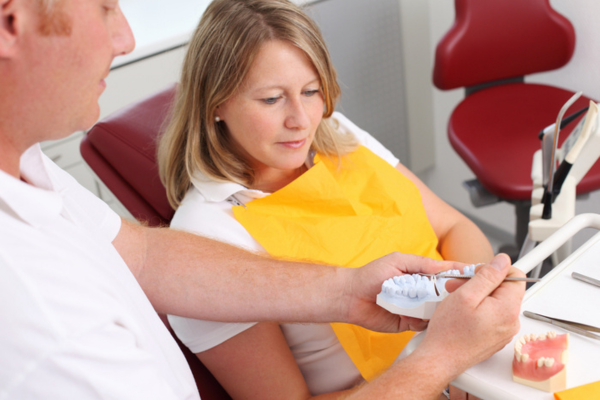
Implants suit many people, but they are not automatic for everyone, and a careful assessment always comes first. Before proceeding, a dental professional checks that there is enough healthy bone to hold the implant and that the gums are in good condition. Healthdirect notes that some medical conditions and medications can affect how well the jawbone heals, and that certain factors raise the chance of infection or another complication, so an honest look at your general health is part of the planning.
Habits such as smoking can also affect healing. None of this is meant to discourage; it simply means the groundwork is done properly. Part of that groundwork is informed consent, taking the time to ask questions and understand your options before any surgery, so that if an implant is recommended, you go ahead with a clear picture of what to expect.
What the Process Involves
Getting an implant is a staged process rather than a single appointment. After the initial assessment and imaging, the implant post is placed into the jaw. Then comes the part that asks for patience: healthdirect explains that it takes roughly three months for the bone to grow around the implant and hold it firmly, a process called osseointegration.
During this healing period you may be given specific instructions, such as using mouthwash rather than brushing or flossing the site for the first two to three weeks, and sticking to softer foods while the area settles. Once the implant has fused with the bone, the abutment and final crown are fitted. The overall timeline varies from person to person, and more complex cases naturally take longer.
Considering an Implant on the Central Coast
For people on the Central Coast weighing up a missing tooth, the most useful first step is simply a conversation. An assessment establishes whether the bone and gums are ready, whether any preparatory treatment is needed, and how the timeline might look for your situation. It is also the moment to talk through the practical side, since an implant is a considered investment and it helps to understand the full picture, including any private health insurance cover, before starting.
Caring for an implant afterwards is refreshingly ordinary. Once it has healed, you look after it much as you would a natural tooth, with regular brushing, flossing and check-ups to keep the surrounding gum and bone healthy. If any swelling or inflammation appears around the implant, it is worth having it seen promptly so it can be managed early.
The Takeaway
A dental implant replaces a missing tooth from the root up, using a titanium post set into the jaw to support a custom crown, and it is the one option that keeps the underlying bone stimulated and helps preserve its shape. It suits many people, though a check of the bone, gums and general health always comes first, and the process is staged around roughly three months of healing while the bone grows around the post. Once settled, an implant is cared for much like a natural tooth. Terrigal Beach Dental + Implant Centre offers implant dentistry on the Central Coast and can assess whether an implant is a suitable way to restore your smile.
Frequently Asked Questions
What is a dental implant?
A dental implant is a small titanium post that replaces the root of a missing tooth. It is placed into the jawbone and, once healed, supports a connector and a custom-made crown. Because it is anchored in the bone rather than resting on the gum, it provides a stable foundation for a replacement tooth that looks and functions much like a natural one.
How long does the implant process take?
It varies, but a key stage is healing. Healthdirect notes it takes about three months for the bone to grow around the implant and hold it firmly. After the post is placed and has integrated, the abutment and crown are fitted. Simple cases move faster, while more complex ones, or those needing preparatory work, take longer.
Does everyone qualify for an implant?
Not automatically. A dental professional first checks there is enough healthy bone and that the gums are in good condition. Some medical conditions and medications can affect healing, and habits like smoking play a role too. An assessment is the only reliable way to know whether an implant suits your situation.
How do I look after a dental implant?
Once healed, an implant is cared for much like a natural tooth. Brush and floss around it daily and keep up regular dental check-ups so the surrounding gum and bone stay healthy. If you notice any swelling or inflammation of the gum around the implant, it is worth having it checked promptly.
Why replace a missing tooth at all?
Beyond appearance, a gap affects how you chew and speak, and can let neighbouring teeth drift. Below the gum, the bone that once supported the root slowly shrinks without stimulation. Replacing the tooth, particularly with an implant, helps maintain the bite and preserve the bone in the area.
This blog is intended for general informational purposes only and does not constitute medical or dental advice. Every patient’s oral health needs are unique. Please consult a qualified dental practitioner for advice specific to your situation. Terrigal Beach Dental + Implant Centre encourages all patients to seek a professional assessment before commencing any dental treatment.