When several teeth are missing, or a whole arch has gone, dentures remain one of the most practical ways to restore a smile and get back to eating and speaking with confidence. The dentures of today are a long way from the ill-fitting plates of the past, and there is now a spectrum of options, from fully removable sets to versions that clip securely onto dental implants. Knowing the difference between full, partial and implant-retained dentures, and how each is looked after, makes it much easier to have a useful conversation with your dentist about what would suit you. Here is a clear look at how modern dentures work and where implants fit into the picture.
What Dentures Are and What They Do
Dentures are false teeth worn to replace missing ones. As healthdirect explains, if you have missing teeth, wearing dentures can make it easier to eat and speak and can help you feel more confident. They also do a quieter job that is easy to overlook: when teeth are missing, the muscles of the face can begin to sag, and dentures help fill out the face and support its shape.
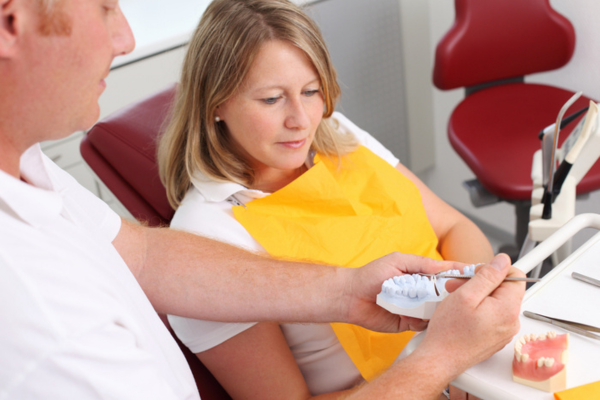
Dentures are custom-made to fit your mouth, and while they take some getting used to, most people adjust with time. They are made and fitted either by a dentist or by a dental prosthetist, a specialist in dentures, and the choice often comes down to the complexity of your case and your own preference. Either way, the aim is a set that feels secure and looks natural, so you can smile and eat without a second thought.
Full and Partial Dentures
There are two familiar types. A full denture replaces all the teeth on the upper or lower jaw, or both, and rests on the gums. A partial denture replaces only some teeth and is held in place by small metal clasps that grip the remaining natural teeth. Partials do double duty, filling the gaps while also helping to stop the remaining teeth from drifting into the space.
Both are removable for cleaning. Healthdirect notes that it can take a few months to adjust to a new set, that starting with softer foods helps, and that dentures may need adjusting as your mouth settles, which is why a few follow-up appointments are a normal part of the process rather than a sign anything is wrong. If a partial denture is chosen, the design also aims to spread the biting load evenly so the natural teeth that anchor it are not overworked.
Implant-Retained Dentures
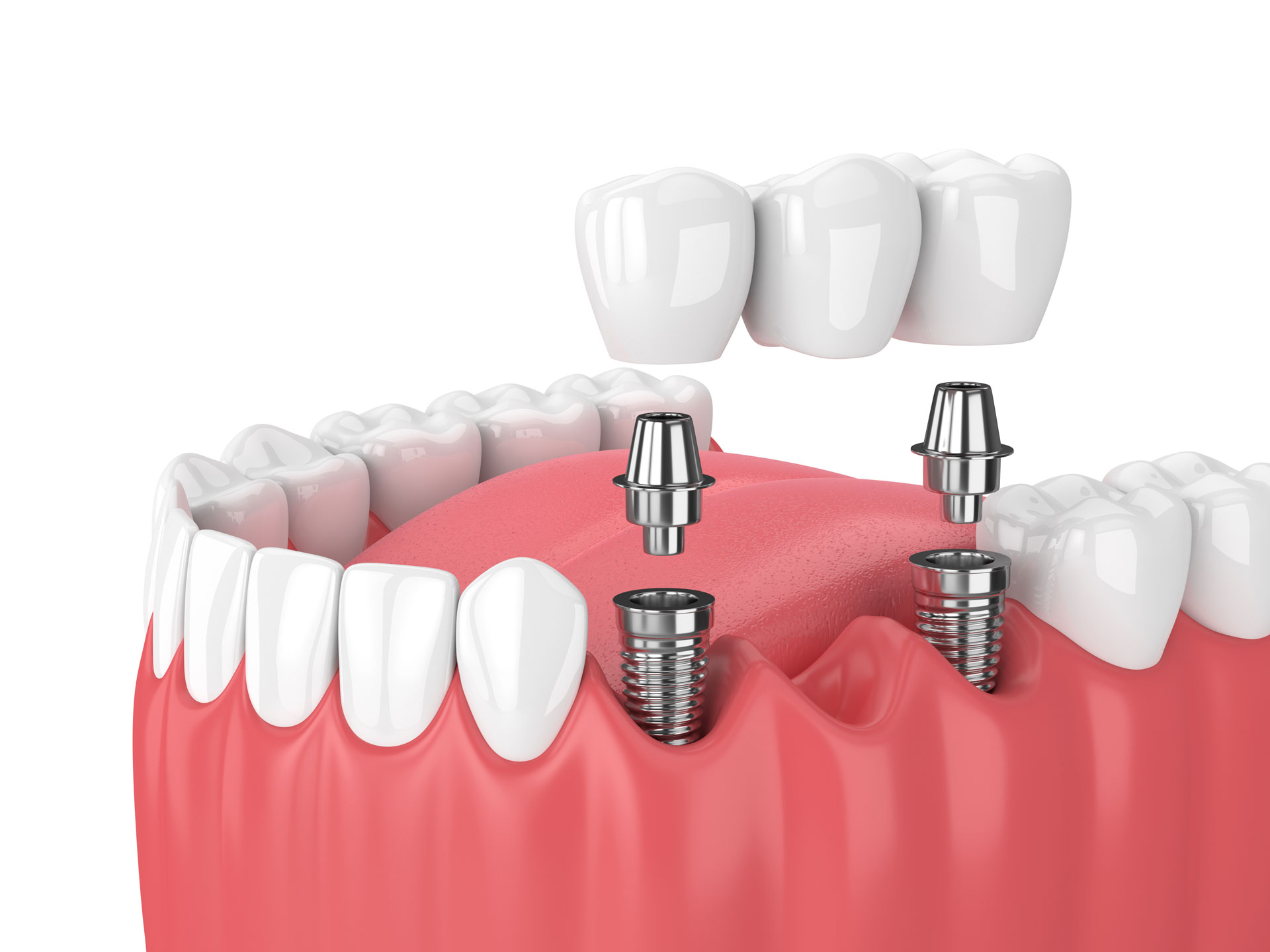
This is where modern options open up. An implant-retained denture replaces one or more teeth by fitting onto implants placed in the jaw, and, as healthdirect describes, you can still remove it for cleaning. Instead of resting only on the gums, the denture clips onto the implants, which gives it noticeably more stability.
For anyone who has struggled with a lower denture that moves or feels loose, this can make a real difference to comfort and to the confidence to eat a wider range of foods. Because implants also engage the jawbone, this approach can help with the bone preservation that resting a denture on the gums alone does not offer, which is part of why it has grown so popular.
Living With Dentures Day to Day
Getting used to dentures is a gradual thing, and it helps to know what to expect. New dentures can feel strange at first, and it usually takes a few months to feel natural. Eating is best eased into, starting with soft foods and building up. Looking after your mouth still matters even where teeth are missing: brushing the gums and tongue each day keeps the mouth healthy.
Over time, the gums and jawbone gradually change shape, so a denture that once fitted well can loosen or wear, which is completely normal. Seeing your dentist or prosthetist regularly, at least once a year, means the fit can be checked and adjusted rather than quietly becoming uncomfortable or affecting how you eat and speak. Storing them in water or a cleaning solution overnight, as advised, also helps them keep their shape.
Weighing Up Your Options on the Central Coast
There is no single right answer when it comes to replacing several teeth. The best choice depends on how many teeth are missing, the condition of the gums and jawbone, and what matters most to you in daily life. For people on the Central Coast, an assessment is the practical starting point, mapping out whether a full, partial or implant-retained denture would suit, and how implants might improve stability if that appeals.
Talking the options through unhurried, with the pros and cons laid out plainly, tends to lead to a decision you feel settled about rather than rushed into. It is also a chance to compare dentures with fixed alternatives, so you can see clearly how each would fit your mouth, your routine and your goals.
The Takeaway
Dentures are a practical way to replace several missing teeth or a full arch, and modern options run from removable full and partial sets to implant-retained dentures that clip securely onto posts in the jaw for far greater stability. All of them make eating and speaking easier and help support the face, and all take a little getting used to, with regular check-ups keeping the fit right as the mouth changes over time. Which option suits comes down to your teeth, gums, bone and priorities. Terrigal Beach Dental + Implant Centre provides denture and implant treatment on the Central Coast and can help you compare the choices and plan a comfortable, stable result.
Frequently Asked Questions
What is the difference between full and partial dentures?
A full denture replaces all the teeth on the upper or lower jaw and rests on the gums. A partial denture replaces only some teeth and clips to the remaining natural teeth with small clasps. Partials also help stop the remaining teeth drifting into the gaps. Both are removable for cleaning.
How is an implant-retained denture different?
Rather than resting only on the gums, an implant-retained denture fits onto implants placed in the jaw, giving it much more stability. As healthdirect explains, you can still remove it for cleaning. It is a popular choice for people whose lower denture tends to move, and it also engages the jawbone.
How long does it take to get used to dentures?
Most people take a few months to feel comfortable with a new set. It helps to start with softer foods and build up gradually. New dentures may also need small adjustments as your mouth settles, so a few follow-up visits are normal in the early stages.
Do dentures need adjusting over time?
Yes. Gums and the jawbone slowly change shape, so a denture that once fitted well can loosen or wear. Seeing your dentist or dental prosthetist at least once a year lets the fit be checked and adjusted, which keeps the denture comfortable and working as it should.
Do I still need to care for my mouth if I have full dentures?
Absolutely. Even without natural teeth, brushing your gums and tongue each day keeps the mouth healthy, and regular dental visits remain important. Dentures themselves also need daily cleaning to stay fresh and to protect the gums underneath.
This blog is intended for general informational purposes only and does not constitute medical or dental advice. Every patient’s oral health needs are unique. Please consult a qualified dental practitioner for advice specific to your situation. Terrigal Beach Dental + Implant Centre encourages all patients to seek a professional assessment before commencing any dental treatment.