
Dental implants can replace missing teeth, but they are not the only way to improve the stability of a denture. For some people, attaching a denture to dental implants may help it stay in place more securely than a conventional removable denture.
An implant-supported denture still comes out for cleaning, unless the treatment plan involves a fixed full-arch restoration. Understanding the differences, assessment process and ongoing care can help you have a more informed conversation about your options.
What is an implant-supported denture?
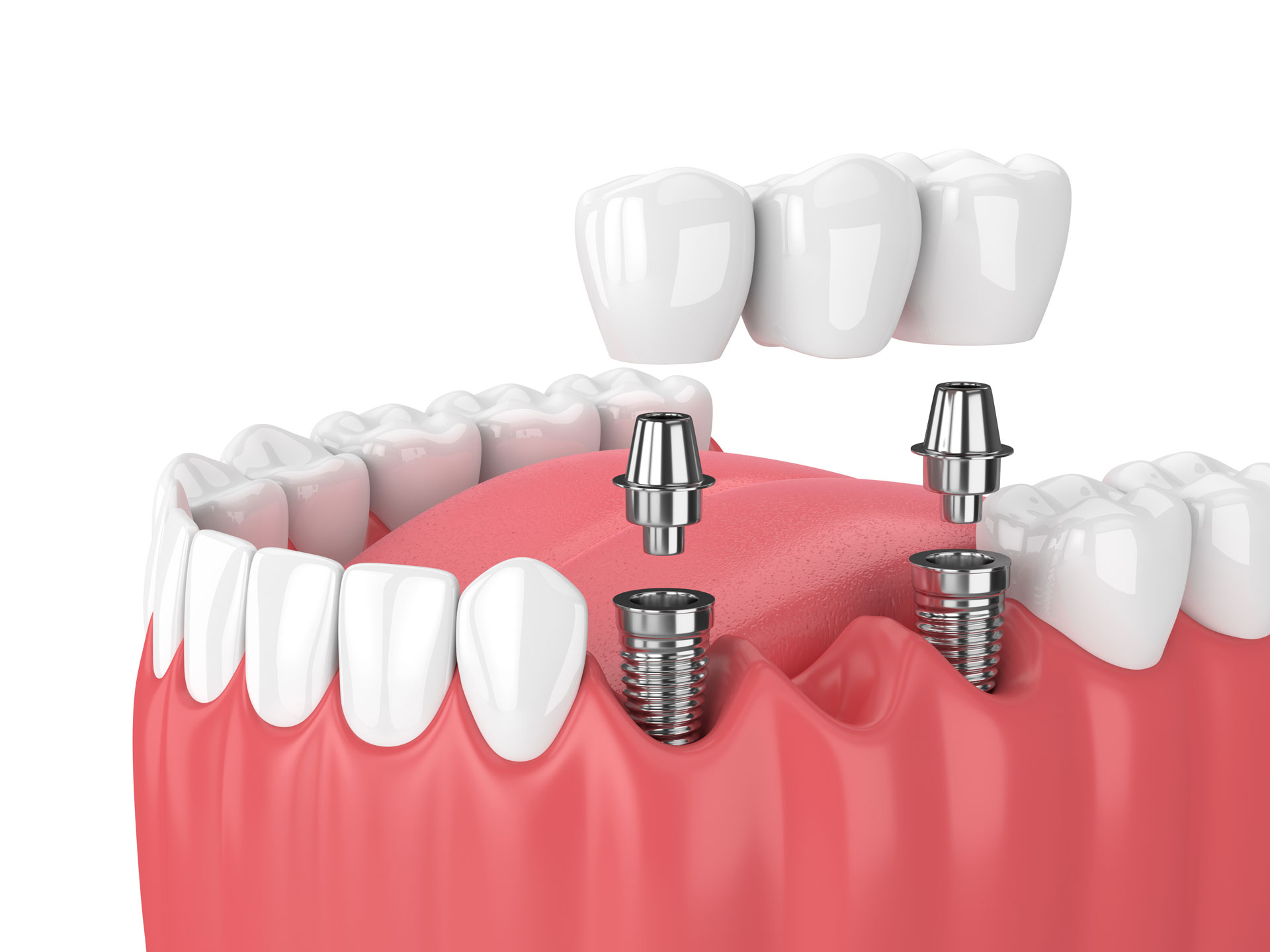
An implant-supported denture is a removable denture that connects to dental implants placed in the jaw. The implants act as anchors. Depending on the design, the denture may attach to the implants using small fittings, often called attachments, or a connecting bar.
This differs from a conventional denture, which rests on the gums and relies on its shape, fit and the muscles of the mouth to stay in position. A conventional denture can still be suitable for many people, but changes in the jaw and gums over time may affect its fit.
Implant-supported dentures can be used to replace several teeth or a full arch of teeth. They are sometimes called implant-retained dentures or overdentures. The terms can describe related options, but the exact design and way the denture connects to implants should be explained as part of an individual treatment plan.
The denture is generally removed for cleaning and to clean around the implants. A fixed implant-supported bridge is different: it is secured in place and can only be removed by a dental professional. Asking whether a proposed restoration is removable or fixed is an important first step.
How implants can help stabilise a denture
When a denture moves during eating or speaking, the movement can be distracting and may make daily activities more difficult. Implants provide attachment points that can reduce movement for some patients. The amount of support depends on factors such as the number and position of implants, the denture design and the condition of the jaw.
The lower jaw can be challenging for conventional dentures because there is often less surface area for the denture to rest on, and the tongue and floor of the mouth are active. In suitable cases, implants may offer anchorage that a denture resting on the gums alone does not provide. Upper dentures may have different support needs, so the approach is not identical for every arch.
Implants do not remove the need for a well-fitting denture. The denture still needs to be designed for the shape of the mouth and adjusted when required. Attachments can wear and may need maintenance or replacement over time. The denture itself may also need repair, relining or replacement.
It is useful to discuss practical details before treatment: how the denture will attach, how it will be removed, what cleaning involves, and what maintenance may be needed. These details can help you understand how the option could fit your routines.
Assessment and treatment planning
Planning starts with a dental assessment. This may include a review of your medical and dental history, an examination of your mouth and existing dentures, and imaging where clinically appropriate. Imaging can help assess the jaw and the available bone, but it is only one part of deciding whether implants may be suitable.
Your gum health, oral hygiene, general health, medications and smoking or vaping habits may be relevant to treatment planning. Previous dental work and the condition of any remaining teeth can also affect which options are considered. A dentist can explain how these factors apply to your situation.
If implants are being considered, the plan should set out the proposed number and position of implants, the type of denture, the stages involved and the expected maintenance. Treatment may involve healing time between implant placement and fitting or loading the denture. The sequence depends on the clinical plan and individual circumstances.
There may be other restorative dentistry options, including a new conventional denture, adjustments to an existing denture, or a fixed restoration. Each option has different care requirements and considerations. A consultation can help clarify which choices are appropriate to discuss, without assuming that one approach suits everyone.
Living with and caring for an implant denture
Good cleaning is important for the health of the gums and tissues around implants. Remove the denture as instructed and clean all its surfaces. Clean around the implant attachments and along the gumline using tools recommended for your mouth, such as a suitable toothbrush or interdental brush.
Follow the advice provided for overnight wear. Some dentures are removed at night, while instructions can vary according to the design and clinical circumstances. Avoid using abrasive products or household cleaners on a denture, as these may damage its surface. Ask the dental team which cleaning products are appropriate.
Regular reviews allow the dentist to check the fit of the denture, the attachments and the tissues around the implants. Contact a dental practice if the denture becomes loose, causes persistent sore areas, cracks, or becomes difficult to remove or attach. Do not try to adjust the denture or implant components yourself.
An implant-supported denture can require ongoing care, much like other dental restorations. Planning for denture maintenance and care from the outset helps you understand the commitment involved as well as the potential practical benefits.
Questions to consider before choosing
Think about what you want to address: movement, comfort, chewing, appearance, or the difficulty of managing your current denture. Being specific can help make a consultation more useful. It is also worth discussing any concerns about treatment stages, healing, cleaning or future repairs.
Ask how the proposed denture will be retained and whether it will be removable or fixed. Find out how many implants are being considered, what alternatives exist, and what might lead the plan to change. No treatment plan can be finalised without considering clinical findings and your preferences.
Discuss the likely maintenance schedule and what to do if an attachment wears or the denture no longer fits well. Understanding follow-up care is part of comparing options, not an afterthought.
If implants are not suitable at present, a dentist can explain why and whether another restorative option may be considered. Suitability depends on an individual assessment, and in some cases further dental care may be needed before implant treatment is reconsidered.
The Takeaway
An implant-supported denture connects a removable denture to implants in the jaw. It may provide added retention for some people, but the design, suitability and maintenance needs vary. A dental assessment can help you compare it with conventional dentures and fixed restorations. Terrigal Beach Dental + Implant Centre can discuss your oral health, preferences and possible restorative options at a consultation.
Ready to take the next step? Booking with Terrigal Beach Dental + Implant Centre takes only a moment. Arrange an appointment online or call the practice to find a time that suits you.
Frequently Asked Questions
Is an implant-supported denture removable?
Most implant-supported dentures, also called overdentures, are designed to be removed for cleaning. A fixed implant-supported bridge is different and is removed only by a dental professional. Ask which type is being proposed.
How many implants are needed for an overdenture?
The number depends on factors such as the jaw, bone availability, denture design and clinical findings. Your dentist can explain the proposed number and why it may be appropriate for your treatment plan.
Can implant-supported dentures be used for the upper jaw?
They may be an option for some people with missing upper teeth. The assessment considers bone, sinus anatomy, gum health and the design of the denture, among other factors.
Do implant-supported dentures need special cleaning?
They need careful daily cleaning. The denture is usually removed so you can clean its surfaces and the areas around the implant attachments. Your dental team can recommend suitable brushes and cleaning methods.
How long do implant-supported dentures last?
There is no single lifespan that applies to everyone. Wear, oral health, denture materials, maintenance and changes in the mouth can all affect how long components remain functional. Reviews help identify when adjustment or repair may be needed.
Are implant-supported dentures suitable for everyone?
Suitability depends on your oral and general health, jawbone, medications, expectations and other clinical factors. A consultation is needed to assess your circumstances and discuss appropriate options.
This article provides general information only and is not a substitute for personalised dental advice. Treatment suitability and outcomes vary between individuals. Consult a registered dental practitioner for advice about your circumstances. Terrigal Beach Dental + Implant Centre.