A tooth that is cracked, heavily worn or weakened by a large filling is in a vulnerable spot. It may still work for now, but its structure is compromised, and the risk is that it breaks further or eventually needs to be removed. This is the situation a dental crown is designed for. A crown is a custom-made cap that fits over the whole tooth, restoring its shape and strength while protecting what remains underneath. It is one of the most common restorative treatments in dentistry, and understanding when a crown is worthwhile, how it is made and how long one lasts helps take the mystery out of a treatment many people will need at some point.
What a Crown Is and When It Helps
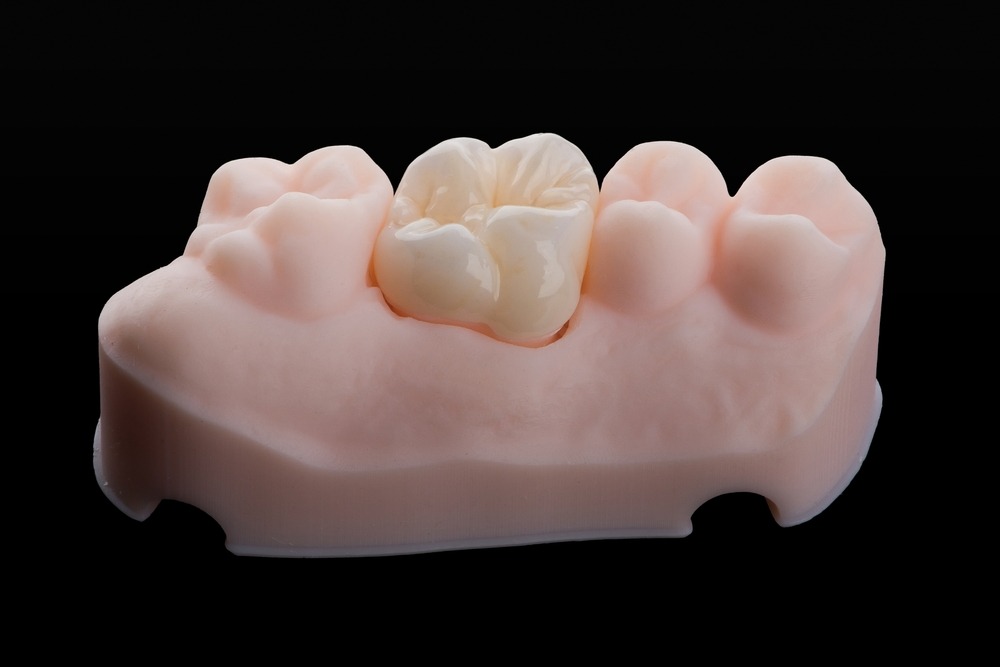
A crown is a cap that covers a damaged or broken tooth. As healthdirect explains, a dental crown procedure involves covering a tooth with a cap to help it look and function better, and crowns can be made from different materials such as porcelain, zirconia, gold alloy or a combination of porcelain and metal.
A dentist might suggest a crown to protect a weak or cracked tooth, to restore a tooth that has broken or worn down, or to cover a tooth after root canal treatment. In each case the goal is the same: to hold the remaining tooth together and shield it from the everyday forces of chewing, which a weakened tooth may no longer withstand on its own.
Why a Crown Rather Than a Filling
A filling replaces a small amount of lost tooth, but there is a point where so much of the natural structure is gone that a filling can no longer be relied on. A large filling, a significant crack, or a tooth left brittle after root canal treatment can all leave it too weak to handle normal biting.
Rather than patching a small area, a crown wraps around the entire tooth and redistributes the load, much like a helmet protecting what is underneath. Healthdirect points out that if the final crown or filling is delayed after a root canal, there is a higher chance of the tooth breaking or needing removal, which is why getting the crown on in good time matters as much as the crown itself. Left too long, a cracked or heavily worn tooth can split below the gum, at which point saving it becomes far harder, so acting while a crown is still an option is usually the wiser path.
How a Crown Is Made and Fitted
Getting a crown usually takes one or two visits. Healthdirect explains that at the first visit the dentist shapes the tooth so there is enough room for the crown, often using a local anaesthetic to keep you comfortable, and takes an impression of the tooth.
Some crowns can be made and fitted on the same day using in-practice technology, while others are crafted by a dental laboratory, with a temporary crown protecting the tooth in the meantime. When the final crown is ready, the dentist checks that it fits well, matches your bite and sits correctly against the neighbouring teeth, then fixes it in place with dental cement or adhesive.
Making a Crown Last
A well-made crown can last many years, but it is not indestructible, and the tooth underneath still needs care. Although the crown itself cannot decay, healthdirect notes that the natural tooth beneath it can, so brushing, cleaning between the teeth and keeping the gums healthy remain essential.
Regular check-ups let the dentist keep an eye on both the crown and the tooth supporting it. Habits like grinding or clenching can shorten a crown’s life, and biting very hard foods can chip or dislodge one, so a little everyday care goes a long way toward getting the most out of the restoration. If a crown ever feels loose, high or uncomfortable when you bite, it is worth having it checked rather than waiting, since a small adjustment early can prevent a bigger problem later.
Restoring a Damaged Tooth on the Central Coast
When a tooth is cracked, worn or aching after a large filling, the sooner it is assessed, the more options there tend to be for saving it. For people on the Central Coast, an examination establishes whether a crown is the right answer or whether a more conservative repair would do, and what material would suit the tooth’s position and function.
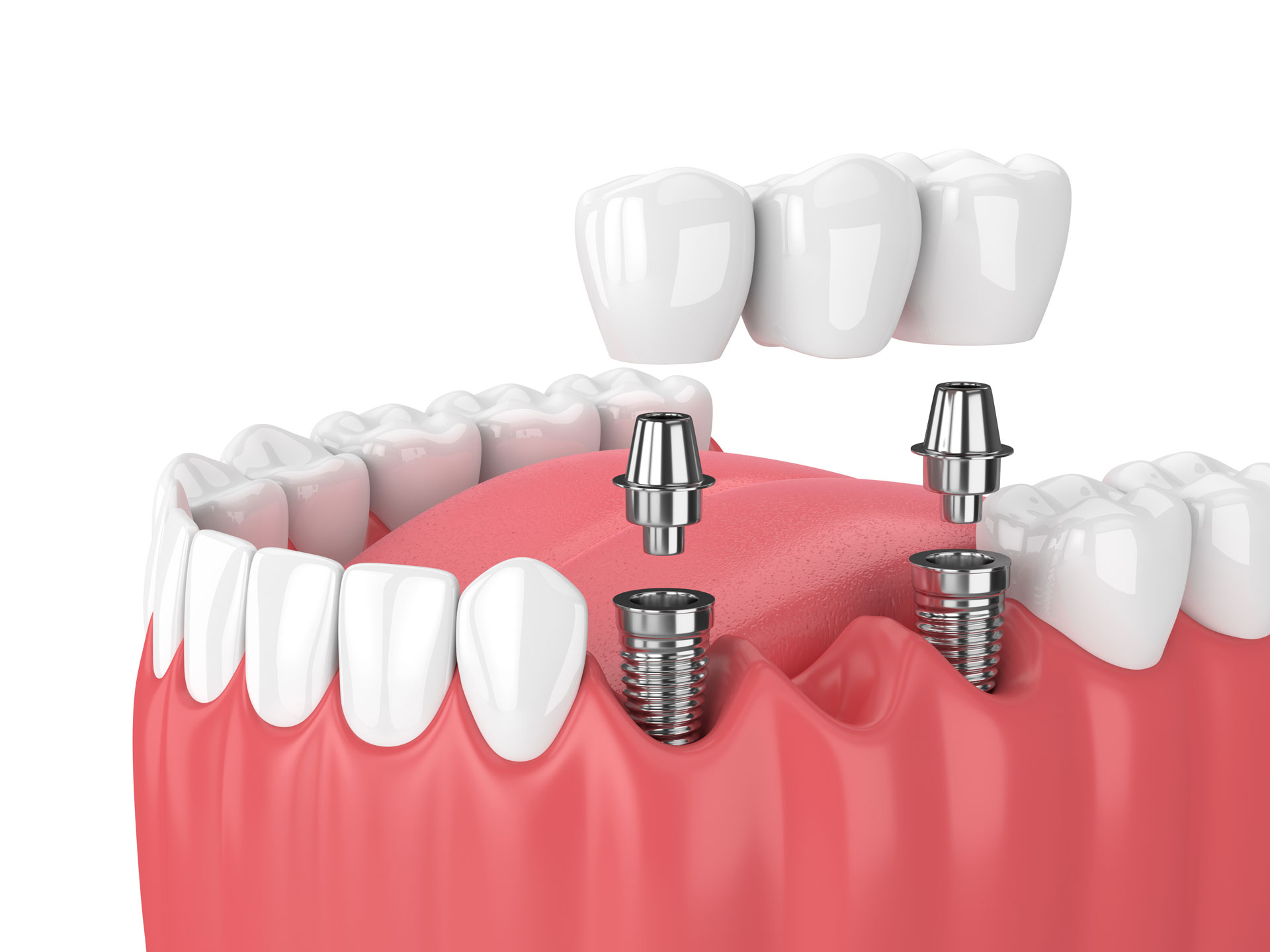
Crowns also play a part in larger restorative work, capping teeth as part of a wider plan or sitting on top of an implant to replace a missing tooth. In that sense the same treatment that rescues a single tooth can also be a building block in restoring a whole smile, which is why it is worth understanding where a crown fits into the bigger picture.
The Takeaway
A dental crown is a custom cap that fits over a cracked, worn or weakened tooth, restoring its shape and strength and protecting what remains beneath. It is often the right choice where a filling can no longer be relied on, including after root canal treatment, and it can be made from several materials to suit the tooth. Fitting a crown usually takes one or two visits, and while the cap cannot decay, the tooth under it still needs everyday care and regular check-ups. Terrigal Beach Dental + Implant Centre provides crowns and wider restorative dentistry on the Central Coast, and can advise whether a crown is the best way to protect and rebuild a damaged tooth.
Frequently Asked Questions
When do I need a crown instead of a filling?
A filling suits smaller repairs. When too much of the tooth is lost, or it is cracked or left brittle after root canal treatment, a filling may not hold. A crown wraps over the whole tooth to restore its strength and protect it from further damage, making it the better option in those cases.
What are crowns made from?
Crowns can be made from several materials, including porcelain, zirconia, gold alloy, or a combination of porcelain and metal. The choice depends on where the tooth sits, how much strength it needs and how natural it should look. Your dentist can explain which material suits your particular tooth.
How many visits does a crown take?
Usually one or two. At the first visit the tooth is shaped and an impression is taken. Some crowns can be made and fitted the same day, while others are made in a dental laboratory, with a temporary crown protecting the tooth until the permanent one is ready to be fitted.
Can a crowned tooth still get decay?
Yes. The crown itself cannot decay, but the natural tooth underneath still can. Brushing, cleaning between your teeth and keeping your gums healthy remain important, along with regular check-ups so the dentist can monitor both the crown and the tooth supporting it.
How long does a crown last?
A well-cared-for crown can last many years, though it is not indestructible. Grinding or clenching, and biting very hard foods, can chip or dislodge one. Good daily cleaning and regular dental visits give a crown the best chance of a long, trouble-free life.
This blog is intended for general informational purposes only and does not constitute medical or dental advice. Every patient’s oral health needs are unique. Please consult a qualified dental practitioner for advice specific to your situation. Patients should seek a professional assessment before commencing any dental treatment.