
Tooth loss can have a significant impact on both oral function and daily comfort. Whether due to decay, trauma, or periodontal issues, many individuals find themselves seeking a fixed and functional solution. Dental implants are a commonly used tooth replacement option, offering a stable foundation for crowns, bridges, or dentures. But what exactly is a dental implant, and how is suitability determined?
What Are Dental Implants Made Of?
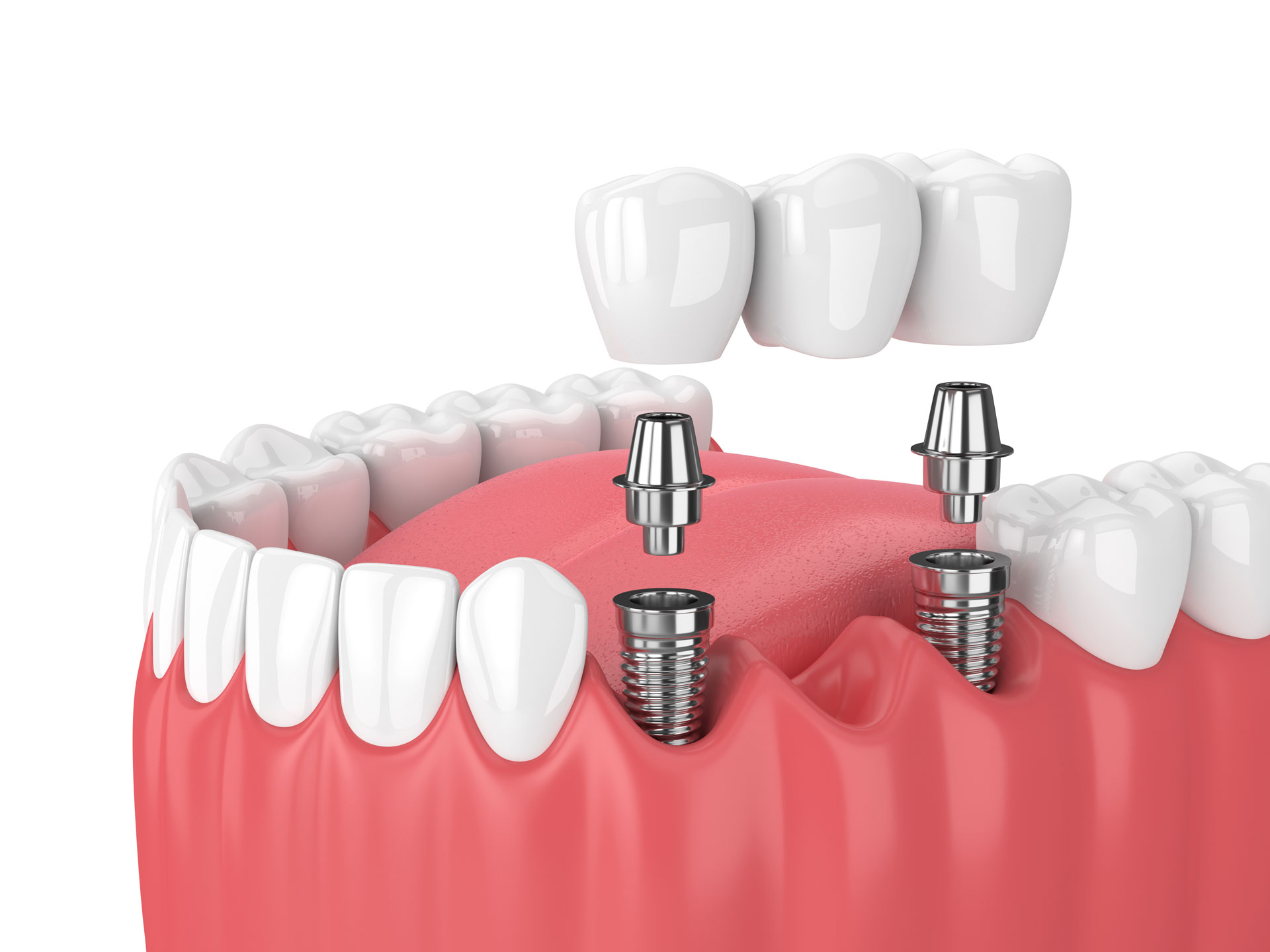
Dental implants are typically made from titanium—a biocompatible material that integrates well with human bone. The implant itself is a small, screw-like post inserted into the jawbone, where it acts as an artificial root. Over time, the surrounding bone fuses with the implant in a process known as osseointegration. This provides a secure anchor for the attachment of a custom-made prosthetic, such as a crown or bridge.
Key Attributes of Dental Implants:
- Constructed from medical-grade titanium
- Designed to support single or multiple tooth replacements
- Custom-fitted to suit individual dental anatomy
- Implanted through a surgical procedure under local anaesthesia
- Developed to work with surrounding jaw structures
How Does the Dental Implant Process Work?
The dental implant procedure generally involves several stages, beginning with a thorough examination. This includes dental X-rays or other diagnostic imaging to assess bone density, oral health, and adjacent teeth. If suitable, a treatment plan is developed that may include the placement of the implant followed by a healing period. After integration, a prosthetic tooth is attached to restore function.
Typical Steps in the Implant Process:
- Comprehensive oral assessment
- Diagnostic imaging and planning
- Implant placement
- Healing and bone integration phase
- Prosthetic attachment
- Ongoing care and review
Who Might Be Considered a Suitable Candidate for Dental Implants?
Dental implants are generally considered for adults who have lost one or more teeth and are seeking a fixed replacement option. Several factors play a role in determining candidacy, including the condition of the gums, bone health, and overall wellbeing. Suitability is assessed by a dental practitioner based on individual circumstances.
Factors Supporting Suitability:
- Healthy gums and no active periodontal disease
- Adequate jawbone to support the implant
- Non-smokers or those committed to stopping
- Good oral hygiene and willingness to maintain care
- No medical conditions that interfere with healing
What Might Exclude Someone From Immediate Implant Placement?
Not everyone is an immediate candidate for dental implants. In some cases, additional procedures such as bone grafting may be needed. Certain health conditions may also affect suitability. It is important that all patients undergo an individual assessment.
Potential Factors That May Affect Eligibility:
- Insufficient bone volume (may require augmentation)
- Ongoing treatment with bisphosphonates or steroids
- Uncontrolled diabetes
- Smoking or tobacco use
- Gum disease requiring management
- Patients under 18 (jaw still developing)
What Are the Alternatives to Dental Implants?
While implants offer a fixed solution, they are one of several treatment options available. Your dental practitioner will assess which approach is appropriate for your oral health and long-term goals.
Common Alternatives Include:
- Fixed bridges (using adjacent teeth as anchors)
- Removable dentures
- Partial dentures for multiple missing teeth
Each treatment option has specific indications, and your dental professional will provide a balanced overview of potential risks and benefits.
What Are the Advantages and Limitations of Implants Compared to Other Options?
The following table outlines a general comparison between implants, bridges, and removable dentures. It does not imply superiority but helps illustrate the clinical differences in a neutral format.
Table: Dental Implants vs Other Tooth Replacement Options
| Feature | Dental Implant | Dental Bridge | Removable Denture |
| Fixed or Removable | Fixed | Fixed | Removable |
| Impact on Adjacent Teeth | No alteration needed | May require tooth preparation | None |
| Jawbone Support | Supports bone health | No bone stimulation | May accelerate bone loss |
| Cleaning & Maintenance | Similar to natural teeth | Flossing under bridge required | Removed for cleaning |
| Average Longevity | Designed for long-term use | Varies with care | Varies with material |
| Requires Surgery | Yes | No | No |
What Factors Influence the Success of Dental Implants?
There is no universal guarantee when it comes to treatment outcomes. However, certain factors may enhance the likelihood of long-term function. These include adequate bone integration, consistent oral hygiene, and routine dental check ups.
Table: Factors That Affect Implant Suitability
| Factor | Why It Matters |
| Bone Density | Implants need sufficient bone for stability |
| Gum Health | Healthy gums reduce risk of infection |
| General Health | Conditions like diabetes may affect healing |
| Oral Hygiene | Good hygiene supports long-term function |
| Smoking | Impacts healing and implant integration |
| Age | Typically recommended for adults with full jaw development |
| Medications | Certain drugs may affect bone or healing |
Where Can You Learn More About Dental Implant Treatment?
If you’re exploring fixed options for missing teeth, it’s important to start with a professional consultation and diagnostic imaging. This allows the dental practitioner to assess your individual needs, discuss risks, and consider any adjunct procedures that may be required.
Why Choose Terrigal Beach Dental + Implant Centre?
At Terrigal Beach Dental + Implant Centre, our team is committed to providing detailed, transparent, and informative care when it comes to dental implant treatment. We prioritise education and communication—ensuring patients understand all of their options before proceeding with any form of treatment.
Our clinic integrates advanced diagnostic tools and treatment planning techniques to evaluate suitability for dental implants based on jaw health, gum condition, and individual factors. We believe in a conservative, patient-first approach with every recommendation grounded in clinical assessment and best-practice protocols. Whether you’re seeking a second opinion or wish to understand your eligibility, our experienced team is here to guide you through the process with care and professionalism.
References
- Australian Dental Association – Tooth Replacement Options
https://www.ada.org.au/Your-Dental-Health/Older-Adults/Tooth-Replacement - Healthdirect Australia – Dental Implants
https://www.healthdirect.gov.au/dental-implants - Dental Board of Australia – Guidelines for Advertising Regulated Health Services
https://www.dentalboard.gov.au/Codes-Guidelines/Policies-Codes-Guidelines/Advertising-guidelines.aspx
Frequently Asked Questions
1. Are dental implants permanent?
Dental implants are designed to be a long-term solution, but their longevity depends on multiple factors including oral hygiene, general health, and follow-up care.
2. Is the procedure painful?
The implant placement is performed under local anaesthesia. Some post-operative discomfort is expected, but this can generally be managed as advised by your dental practitioner.
3. Can smokers get dental implants?
Smoking may affect healing and integration. Patients who smoke may be advised to stop before and after the procedure for the best outcome.
4. What happens if I don’t have enough bone for an implant?
In cases of insufficient bone, additional procedures like bone grafting may be discussed as part of the treatment plan. An assessment is necessary to determine feasibility.
5. Are implants better than dentures?
Each treatment has different indications. Dental implants offer a fixed solution, while dentures may be more suitable for certain cases. Your dental practitioner will help you understand the most appropriate option.
6. How long does the implant process take?
The full process can vary depending on healing and the complexity of the case. It typically spans several months from assessment to final restoration.
Disclaimer
All dental procedures involve potential risks and benefits. The information provided in this blog is general in nature and should not be taken as medical advice. We recommend that you seek guidance from a suitably qualified health professional before making decisions about your oral health. Where appropriate, you may also wish to consider obtaining a second opinion.
Any images or videos featured are shared with the informed consent of our patients and are intended for educational purposes only. They are not a guarantee of results, as every patient is unique. Treatment outcomes — including recovery, potential complications, and effectiveness — can vary from person to person.